
The ERA Framework
Seven components of enterprise resilience.
Enterprise resilience is not a single capability. It is the product of multiple distinct but interconnected components, each of which contributes to an organization's ability to anticipate disruption, absorb its impact, pivot under pressure, and emerge in a stronger position.
Each component is read through a maturity lens - early and reactive, developing and structured, established and proactive, advanced and adaptive. The maturity model is not a judgment. It is a map.
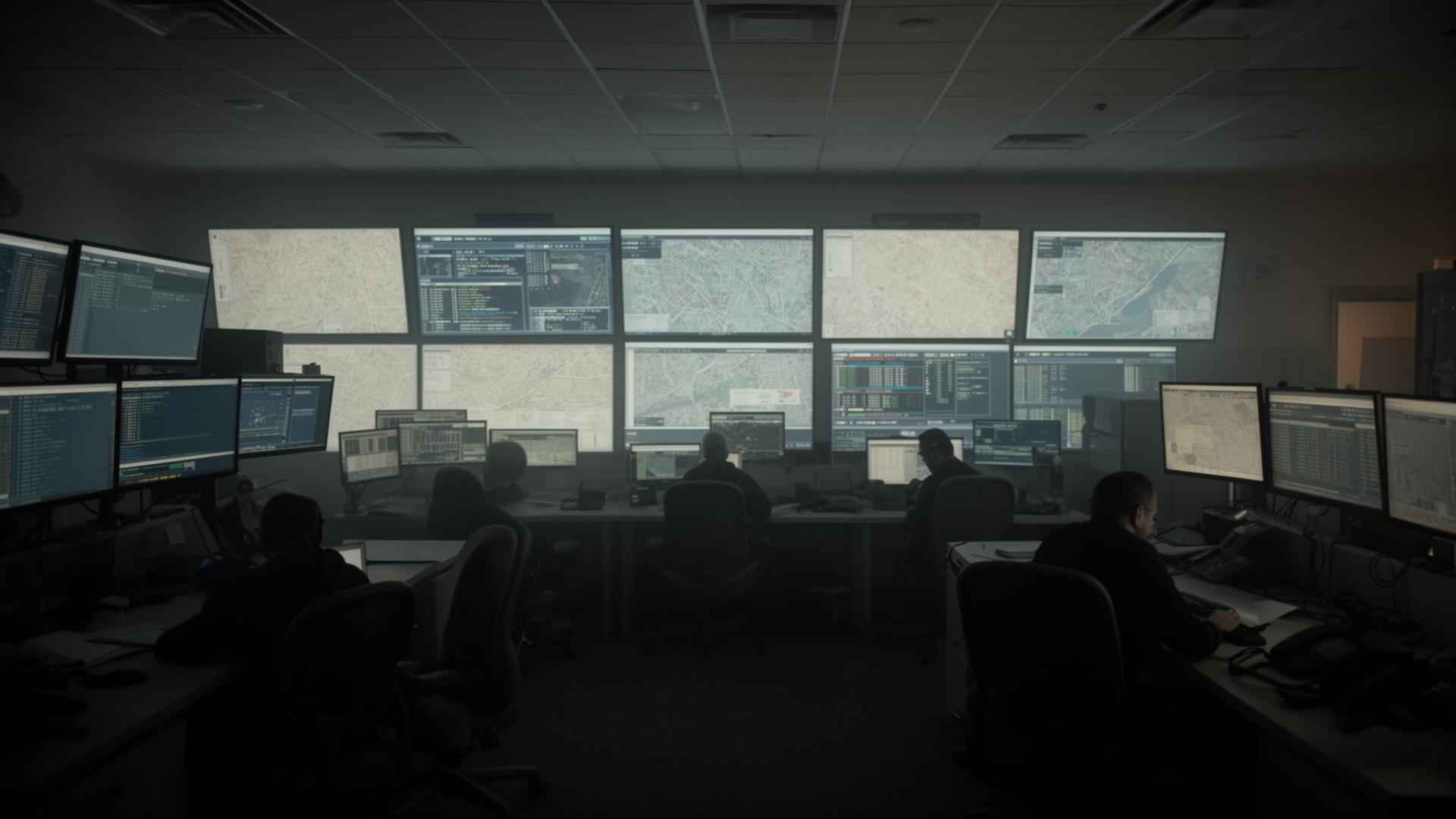
In the room where it counts
A maturity map for the moments when documentation isn't enough.
The tool, not the goal
The framework behind the diagnostic.
The Enterprise Resilience Assessment (ERA) is the proprietary, seven-component framework the Resilience Diagnostic uses. The framework is the instrument. The goal is honest, evidence-based clarity on where capability holds and where it doesn't.
The model is built on what works inside organizations, not on what we think organizations should need. Each component draws from established resilience, risk, and continuity frameworks, so findings stay grounded, practical, and defensible.
Built on years of experience across community planning, emergency management, utilities, and enterprise resilience. There are many assessment tools created by academics, think tanks, and large firms. Far fewer are built by practitioners who have had to live with the long-term outcomes.
Each component is read against a maturity lens — early, developing, established, advanced — so the conversation moves from opinion to evidence.
Sector frameworks referenced
Defensible, by design.
Findings are mapped against leading frameworks, ensuring outputs are defensible and connected to the standards your organization already works within.
- ISO 22301 / 31000
- NIST CSF 2.0
- HSEEP
- NIMS / NDRF
- COSO ERM
Additional frameworks applied by use case: EMAP, NERC CIP, NYDFS 500, FFIEC, FISMA, and other sector-specific standards.
ERA Components
01
Horizon Scanning
How the organization notices emerging risks, tracks what matters, and gets that intelligence in front of decision-makers early enough to matter.
02
Governance & Accountability
Whether resilience has clear ownership, decision rights, and escalation paths that work when pressure rises.
03
Culture
Whether people speak up early, learn from disruption, and adapt before small issues become larger ones.
04
Communications
How information moves across the organization and to stakeholders during normal operations and disruption.
05
Resource Readiness
Whether the organization has the people, capabilities, suppliers, and backup arrangements it needs to keep critical work going.
06
Continual Improvement
Whether lessons from exercises, incidents, and assessments actually lead to changes that stick.
07
Metrics
Whether the organization is measuring real resilience capability, not just activity.
Overlay
AI Resilience Overlay
Aligned with the NIST AI Risk Management Framework
AI deployment changes an organization's resilience posture. Operational Outcomes Advisory helps organizations understand where AI strengthens operational capability, where it creates new dependencies and governance gaps, and how to govern both. Knowing where to use AI and where not to is itself a resilience question.
Curious where your organization actually stands?
The Enterprise Resilience Diagnostic produces scored findings, gap analysis, and a prioritized roadmap with named ownership — typically in 3–4 weeks.